
How We Work Together
Ecological restoration isn't a one-size-fits-all prescription. It's a process— collaborative, staged, and grounded in how your land actually functions.
Here's exactly what that process looks like, from the first conversation to long-term stewardship.
Land Assessment Call
Free. 20 minutes. Zero obligation.
Every project starts with a conversation. Not a sales pitch—a real exchange.
We'll spend about 20 minutes discussing your land, your concerns, and what success looks like for you. It doesn't matter whether you're managing 100+ acres or a quarter acre patio: every space is a functioning ecosystem, and even small, targeted improvements can have measurable impacts on the broader landscape.
If our approach is the right fit, we'll map out logical next steps. If it's not, we'll point you toward someone who’s a better match.
No risk. No pressure. Just clarity on where to start.
Consultation
This is where we get to know your land.
This is where we get to know your land.
We conduct a deep-dive assessment of your site's unique ecological conditions— climate, precipitation patterns, solar exposure, wind, topography, soil structure, and visible ecosystem health indicators.
You'll also complete a short questionnaire covering your land's infrastructure (water access, structures, fencing), historical and current land use, and any resources or constraints we should account for. It's brief, but the information you provide significantly sharpens the precision of the plan.
From all of this, we build your Ecological Restoration Road Map—a personalized, functional document that translates your stewardship goals into a practical, actionable sequence of next steps.
We review the road map together (in person or virtually), and you walk away with a PDF you can reference throughout your restoration journey.
-
Consultations can be conducted partially in-person as we walk your land together and always include additional remote research and data collection via Geographic Information Systems (GIS) satellite technology.
-
The consultation fee is $250—covering:
A comprehensive look into your land’s environmental history and unique characteristics resulting in an easy-to-understand interpretation of your site’s opportunities and challenges.
A breakdown of permitting requirements, so your project can be implemented successfully.
Identification of regional ecological health indicators to help you gauge your site’s environmental complexity, functioning, and food web.
Identification of potential ecological restoration sites with multiple proposed plans of action with a relative cost comparison.
Realistic expectation setting for project timeline and outcomes.
A next-steps-forward plan that is goal-oriented and based on your land’s particular traits and qualities.
A complementary follow-up call to review the Ecological Restoration Road Map together to make informed decisions towards achieving your stewardship goals.
Design
Knowing what to do and knowing where to start are two different things. This phase closes that gap.
We walk your land together, discussing what we observed during the consultation and translating the road map into a site-specific, implementable plan. We're looking for the highest-leverage starting points—interventions that deliver meaningful ecological response with the least amount of effort and unnecessary complexity.
You'll receive a technical design plan ready to move into implementation—complete with sequencing, materials, and realistic cost estimates.
-
We work within a suite of approaches called low-tech, process-based restoration (LTPBR). LTPBR directly addresses the root causes of land degradation—not just the symptoms—by working with natural processes rather than against them.
Common materials include logs, rocks and boulders, soil, and strategic changes to land management practices. These are combined to influence hydrology, soil function, and vegetation recovery. The scale ranges from simple grazing management adjustments to landscape-scale earthworks for water harvesting.
One key advantage: nature does much of the restoration work once conditions are set. We're not the only ones doing the heavy lifting.
-
LTPBR is designed to keep costs down. It prioritizes locally sourced natural materials, human-scale implementation, and—whenever possible—no heavy machinery.
That said, in some cases, mechanized equipment may be the most effective path to your goals. If so, we'll walk through the trade-offs openly so you can make an informed decision based on your timeline and budget.
Typical cost categories include: design fee, labor (including any subcontractors), materials (plants, logs, boulders, etc.), site testing (such as lab soil analysis), permitting, and any specialist consultation required (e.g., a geologist for slope sensitive work).
-
Your Ecological Restoration Road Map will flag relevant permitting considerations—local, county, state, and federal. During the design phase, we gather specifics on required documentation, associated costs, and realistic timelines, all of which are factored into your project estimates.
Installation
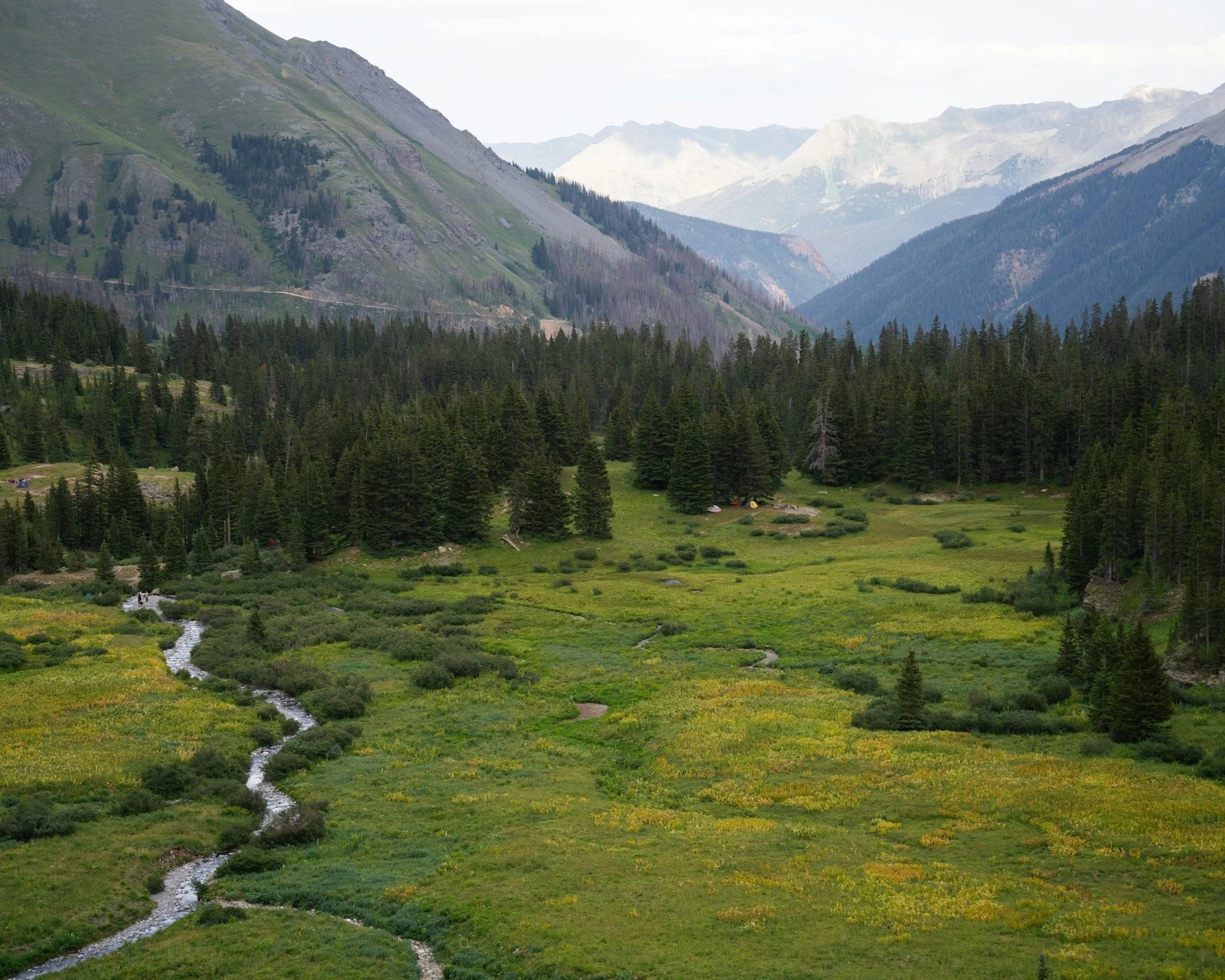
This is where the work becomes visible.
A successful installation doesn't start on day one—it starts with everything that came before it. By this stage, your project has a confirmed start date, secured permits, coordinated labor and materials, and a realistic completion timeline. What comes next is the part you've been waiting for.
Now it's time to dig in (literally).
Long-Term Monitoring and Adaptive Management
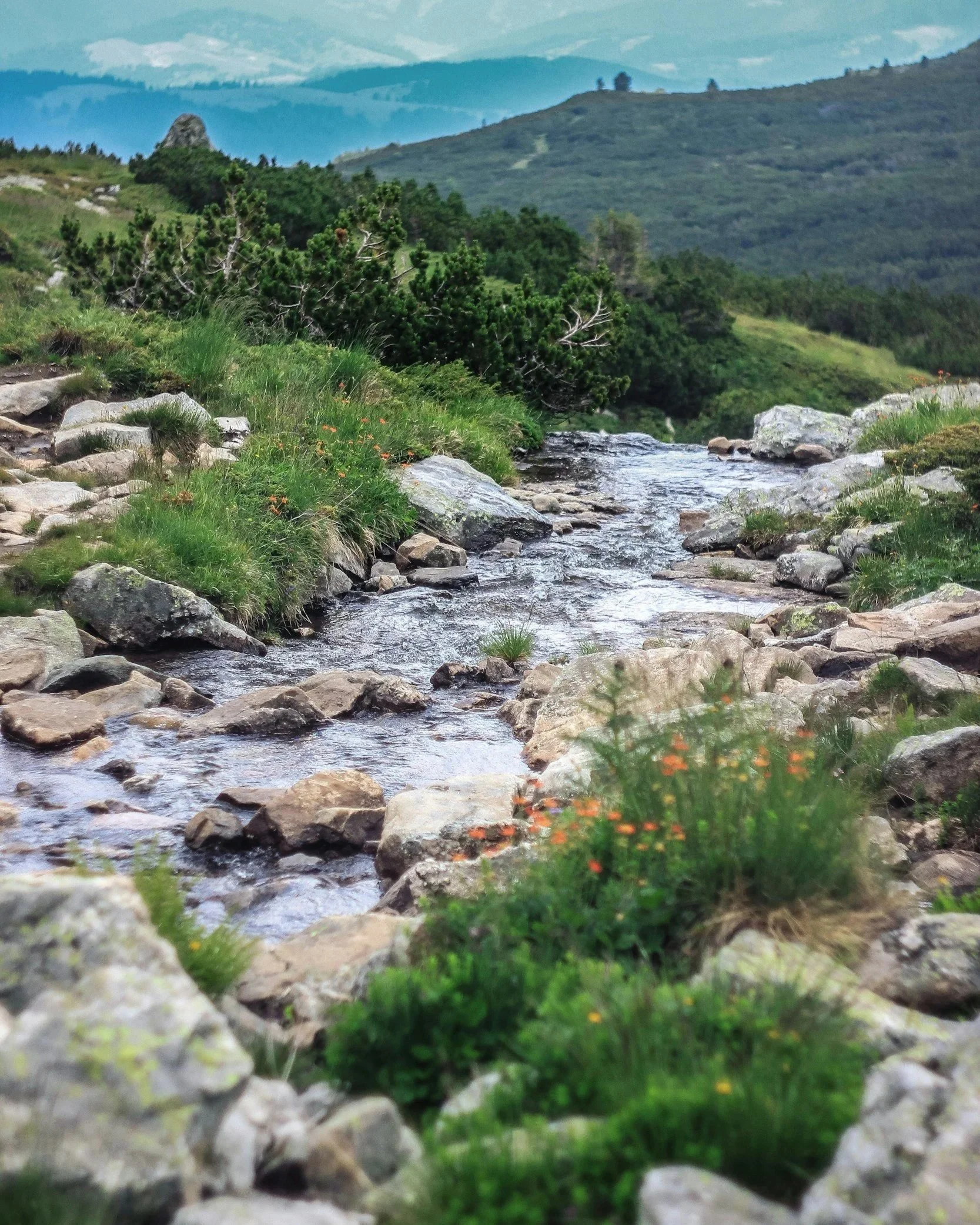
Installation is not the finish line. Living systems change — and that's not a problem. That's the whole point.
As conditions evolve over seasons and years, your plan needs to be able to respond. This phase is about making sure it can.
Because we've established clear goals, realistic timelines, and defined success metrics from the start, monitoring doesn't require constant vigilance. It requires meaningful observations—data that actually informs decisions.
-
Meaningful observations are those that tell you something actionable—not just more data for its own sake.
In practice, this can be as straightforward as consistent photo documentation over time, or as rigorous as research-grade inventory and analysis. The right approach depends on your goals and resources.
What matters is that observations are taken with sufficient frequency and across enough seasons to accurately distinguish natural variability from actual change.
-
Adaptive management (AM) is a structured, iterative decision-making process built around action, response, observation, and adjustment. It's designed to keep your project goal-oriented even as conditions—ecological, climatic, or otherwise—shift.
A key feature of AM is the use of "triggers"—predetermined conditions or events that prompt a specific management response. These are defined collaboratively, and in advance, so there's never ambiguity about when to act or what to do next.
A long-term monitoring plan grounded in meaningful data and adaptive decision making is the most reliable path to lasting project success and protecting your investment (keeping your wallet happy, too).
Ready to Start?
Restoring land is a collaborative process at its core. You bring your goals, your lived experience of the land, and your dedication to its future. Western Slope Ecological Restoration Services brings the science, the strategy, the design, and the physical work required—combining technical precision with hands-on implementation to bring your vision to life.
And then, something shifts.
Because the goal isn’t to do the work forever—it’s to do it well enough that we no longer have to. Once the right conditions are in place, nature begins to take over.
What follows is ecological recovery, yes—but also something harder to name. A reconnection. A reminder of what it feels like to be part of something larger than yourself, and to have played a meaningful role in its renewal.