
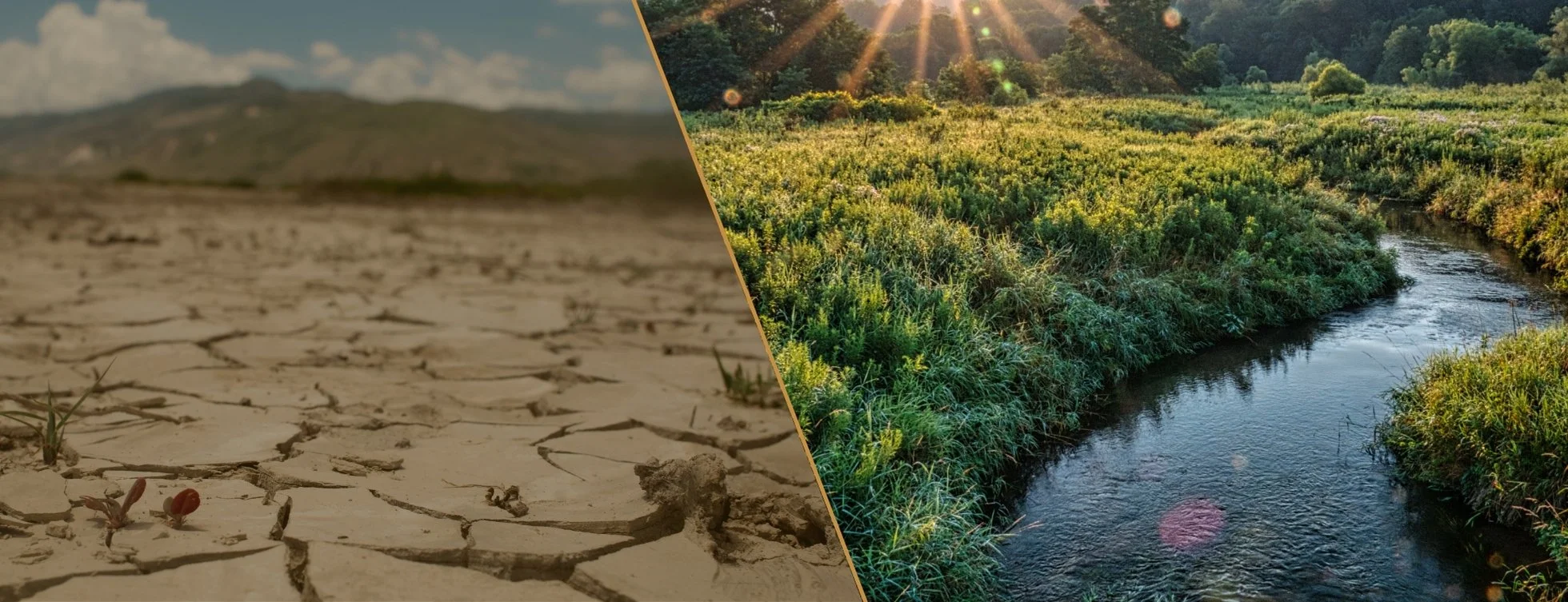
The Western Slope’s water cycle is broken.
But we can restore it.
Western Slope Ecological Restoration Services helps landowners across Colorado's Western Slope restore ecosystem function to improve soil water-holding capacity, forage reliability, habitat quality, species biodiversity, and long-term land value.
Evidence-based restoration. Practical implementation. No herbicides or harmful chemical shortcuts.
Free 20-minute call to see if we’re a fit. If it’s a “yes,” we’ll work together to map out the next best steps for your land goals.


Matthew Bixler Eland, MNRS
MEET OUR FOUNDER
Masters in Natural Resource Stewardship (Ecological Restoration)
Graduate Certificate in Water Resources
Society for Ecological Restoration (Pending Practitioner-in-Training)
Permaculture Design Certificate
Training in Low-Tech Process-Based Restoration
Rotational Grazing Experience
NASA DEVELOP Alumni
What is Low-Tech, Process-Based Restoration?
(And how it helps create thriving, functional ecosystems.)
Low-Tech Process-Based Restoration (LTPBR) is a collection of ecological techniques that emulate natural processes. It focuses on addressing the root causes of environmental degradation while remaining accessible, scalable, and cost-effective.
This approach primarily uses local materials and simple hand tools, while avoiding complex engineering or reliance on heavy machinery.
A core goal of LTPBR is to enhance essential ecosystem functions, such as nutrient cycling, energy flow, water availability, animal and insect activity, plant pollination, and decomposition.
By prioritizing these vital environmental processes, LTPBR enables the land to play an active role in its recovery, promoting biodiversity, habitat complexity, ecosystem resilience, and greater ecological interconnectedness.
All of which are essential elements of a thriving, functional ecosystem!
Restore the Water Cycle. Restore the Land.
Here’s what to expect when you work with Western Slope Ecological Restoration Services.
A clear, evidence-based roadmap designed for real land, real budgets, and real timelines.
Ecological restoration gets overwhelming when it’s treated like a mystery—or like it requires massive engineering to matter. It doesn’t.
Our work starts with fundamentals: how water moves across your land, how soil holds (or sheds) that water, and what your plant community is signaling about function and recovery potential.
From there, we build a practical plan and implement it in stages—so your land can respond, and we can adapt based on what we observe.
Restoring Function, Step by Step
-
![A dry riverbed with scattered pebbles and rocks, flanked by a small stream on the left, with green trees and a hillside covered in shrubs and trees, under a partly cloudy sky.]()
01
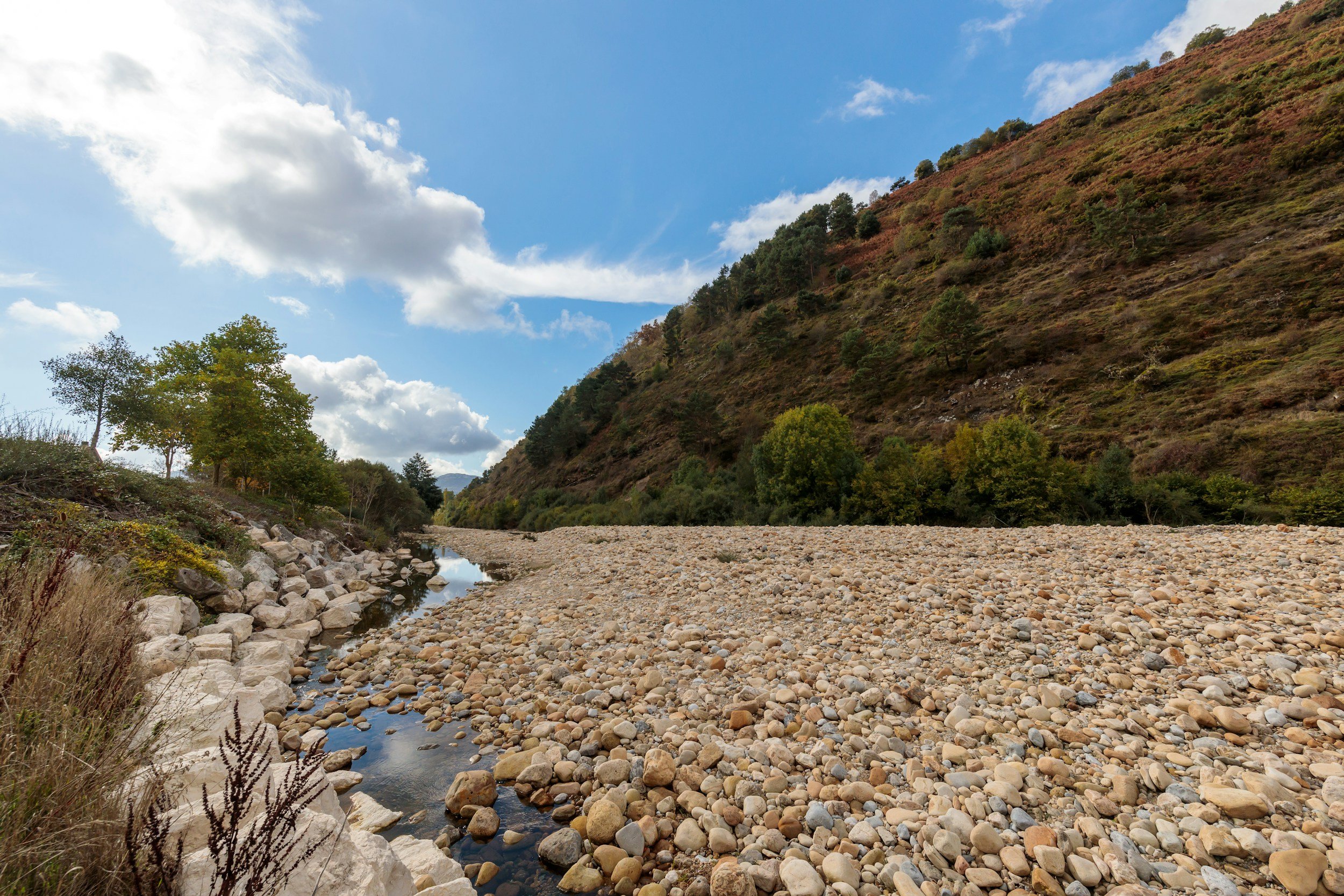
Site Intake + Goals & Objective Clarity
We start with a brief land assessment call to understand your land, your goals, your constraints, and what success looks like for you: including better water retention, enhanced forage, reduced soil erosion, healthier riparian corridors, drought resilience, wildfire risk reduction, and habitat improvement.
-
![Sunrise over a frozen mountain lake with trees and rocks in the foreground, snow-covered mountains in the background, and sunlight casting a glow on the icy surface.]()
02
Assess + Identify Leverage Points
We meet in person on your land to evaluate where ecosystem functions are breaking down (often starting with hydrology), then identify the highest-leverage interventions—those that deliver the greatest improvement with the least unnecessary complexity.
-
![A flowing mountain stream in a lush forest, with rocks and fallen tree branches.]()
03
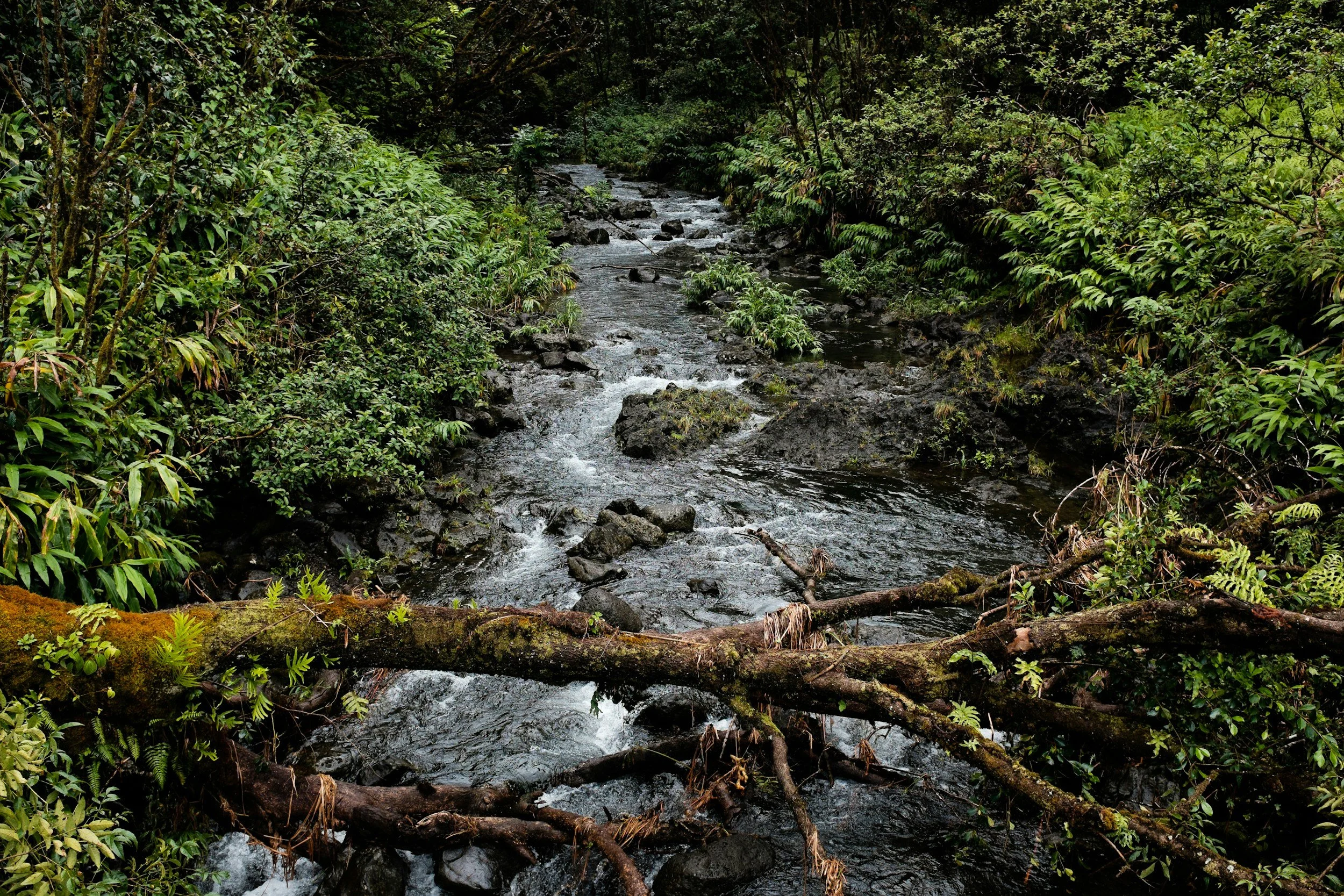
Design a Restoration Roadmap
You receive a multi-stage, highly individualized plan tailored to your land’s unique environmental attributes and aligned with your goals, resources, and timeline. This often includes aerial/topographic planning, project sequencing, and a realistic “first phase” of restoration work that creates ecological momentum.
-
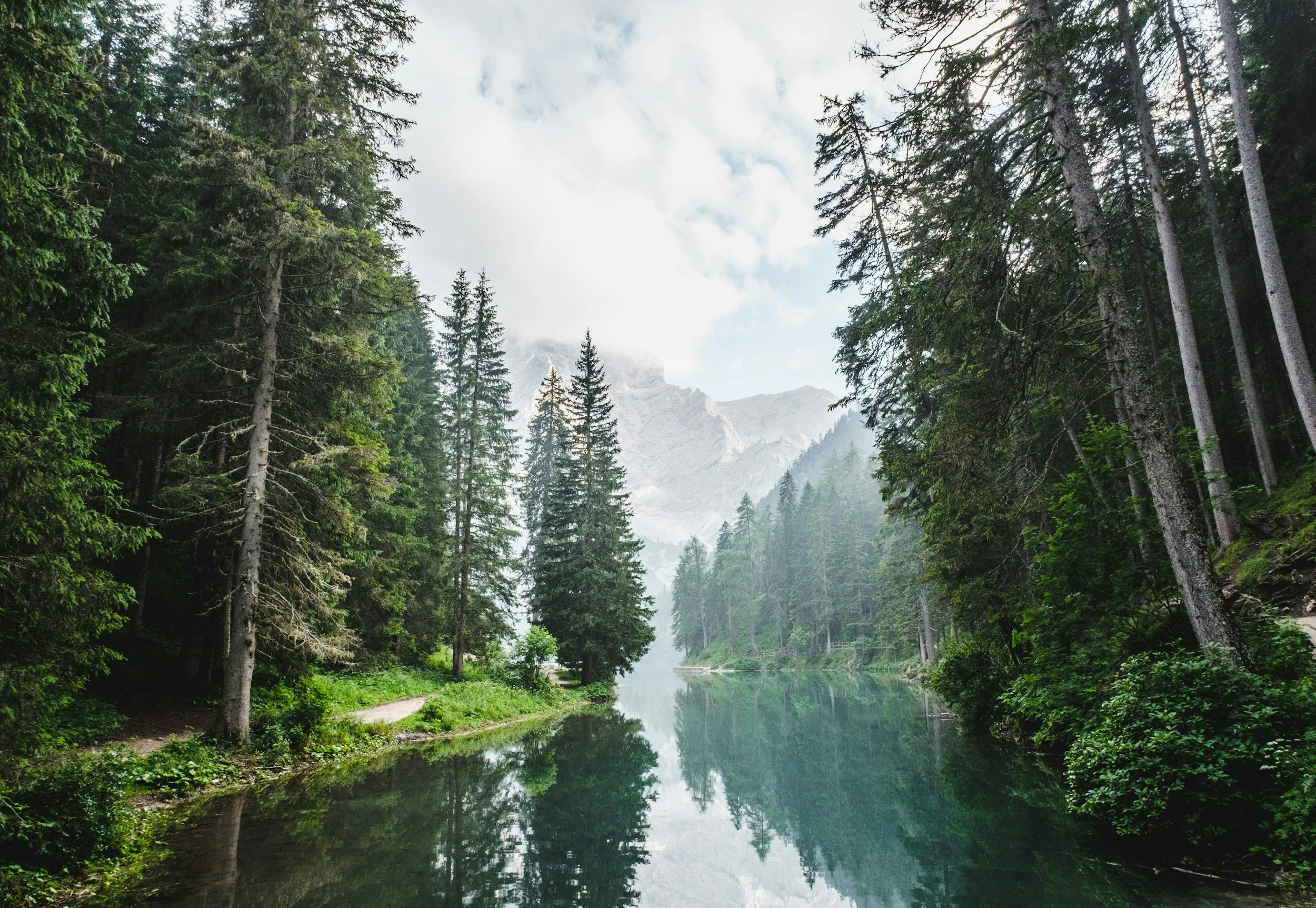
![A forested river with tall pine trees on both sides and mountains in the background under a partly cloudy sky.]()
04
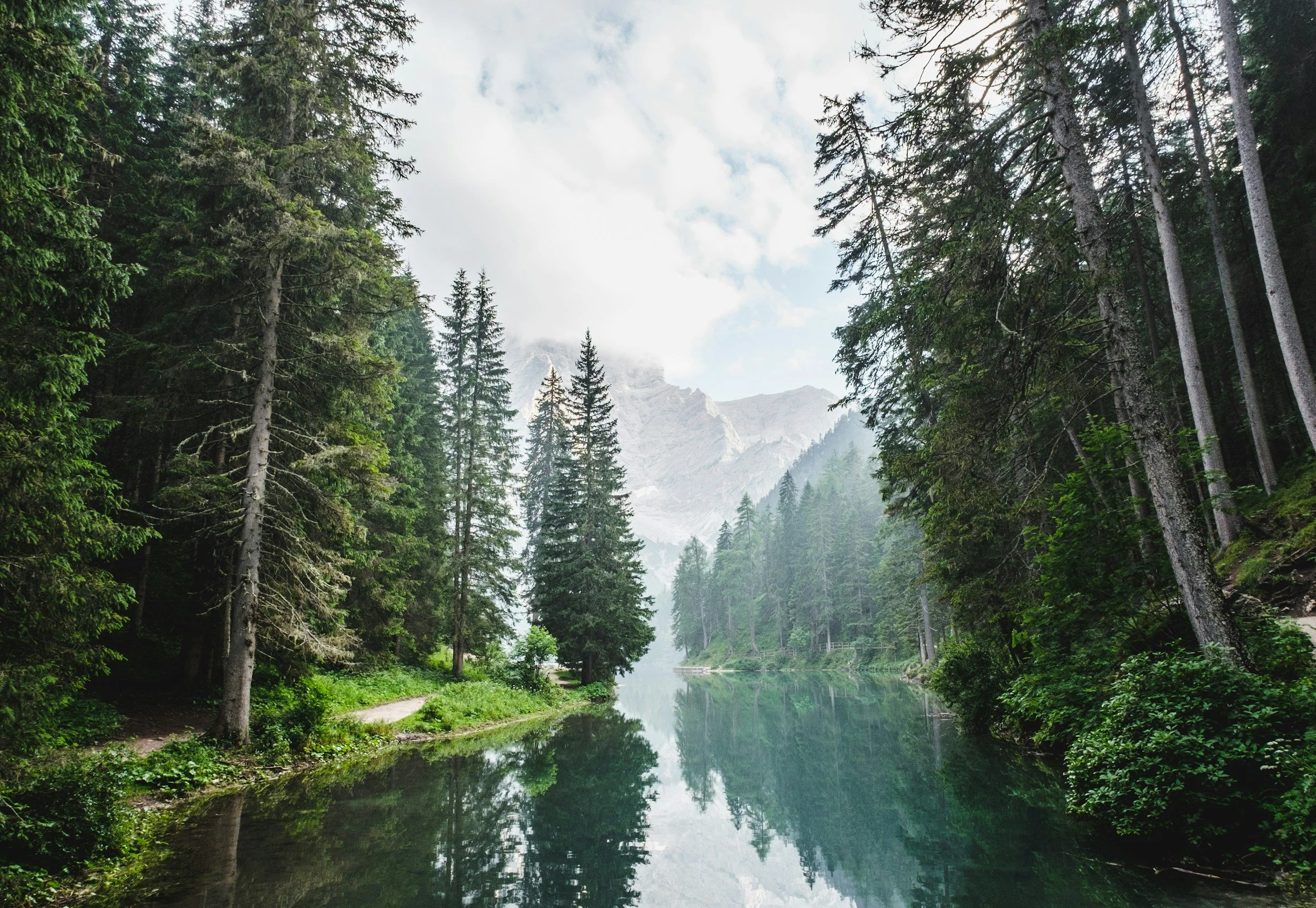
Implement + Support Recovery
We install the right restoration interventions for your needs—low-tech, cost-effective, and scalable—designed to slow, spread, and sink water while reducing undesirable soil erosion. This recharges groundwater storage so it’s available later to plants, wildlife, and livestock—while keeping the water table closer to the surface, where it’s easier to access.
-
![A white heron wading in calm water with tall green reeds and marsh plants in the background.]()
05
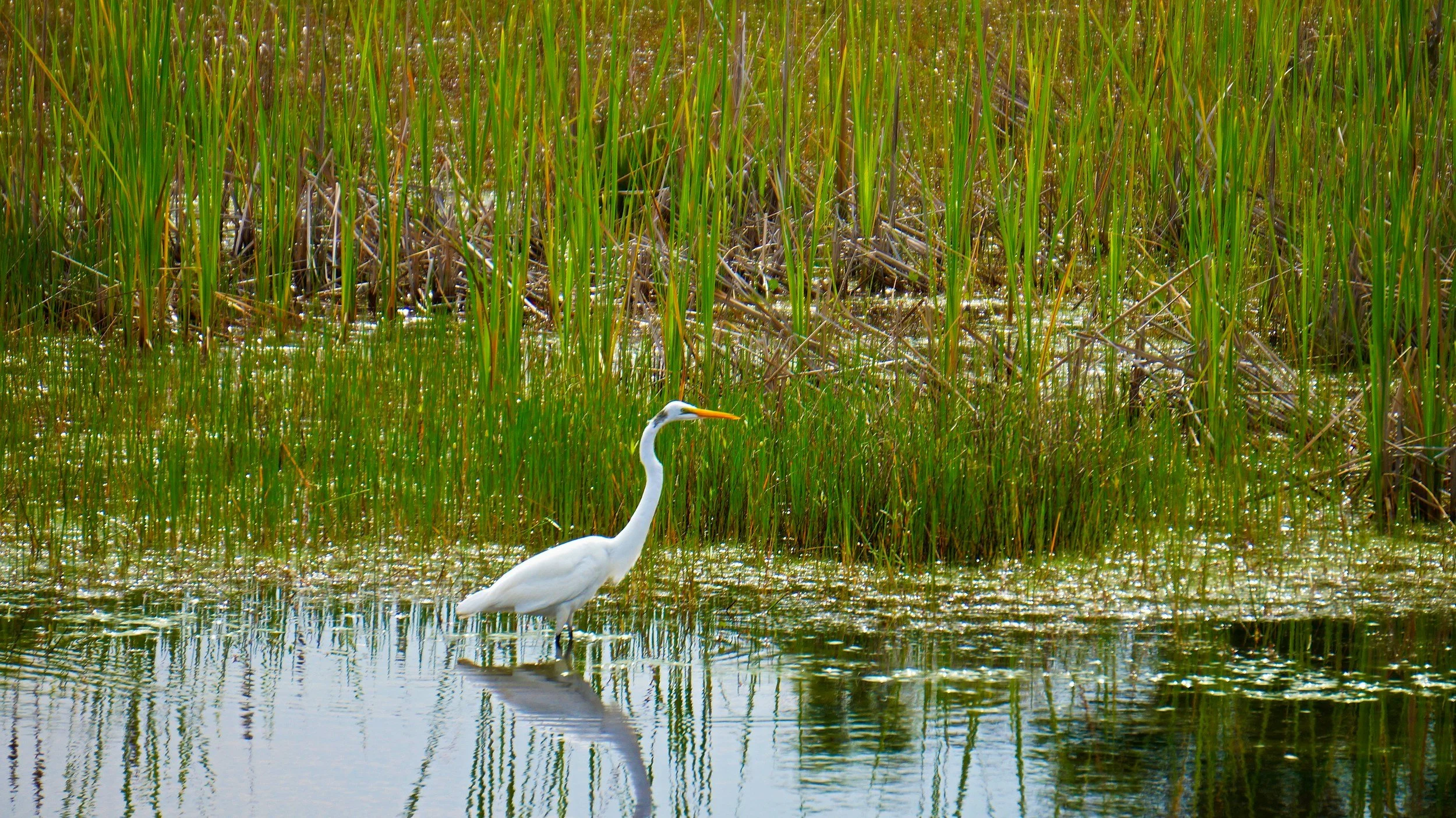
(Optional Continued Partnership): Monitor + Adaptive Management
Living systems respond to both natural and man-made disturbances to their environment. When conditions change, your plan should too. For ongoing projects, we set monitoring indicators and simple “triggers” to guide management decisions, keeping the project aligned with goals and objectives—and letting you know when it’s complete.

Take the first step:
A brief, 20-minute no-cost intake call to understand your land, objectives, and whether our approach aligns with your needs.
Water First, Everything Else Follows.
Most land challenges manifest as symptoms first: thinning vegetation, increased bare ground, soil erosion, loss of topsoil, more undesirable plant and animal species present, reduced forage, drier soils, and increased fire vulnerability.
But beneath the surface, the primary issue is often how water moves (and escapes).
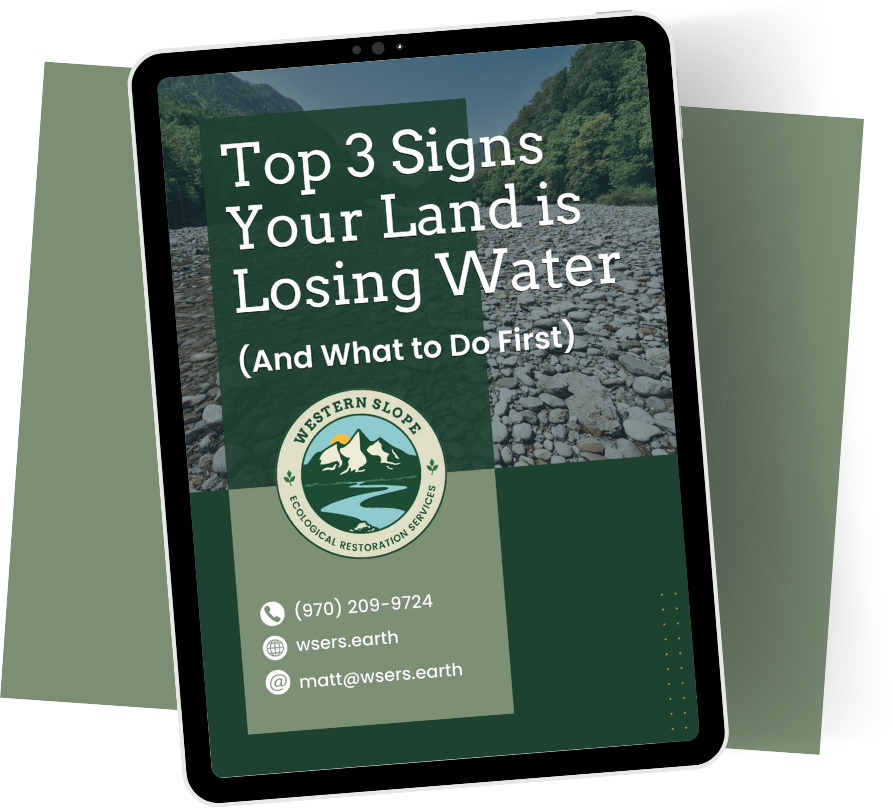
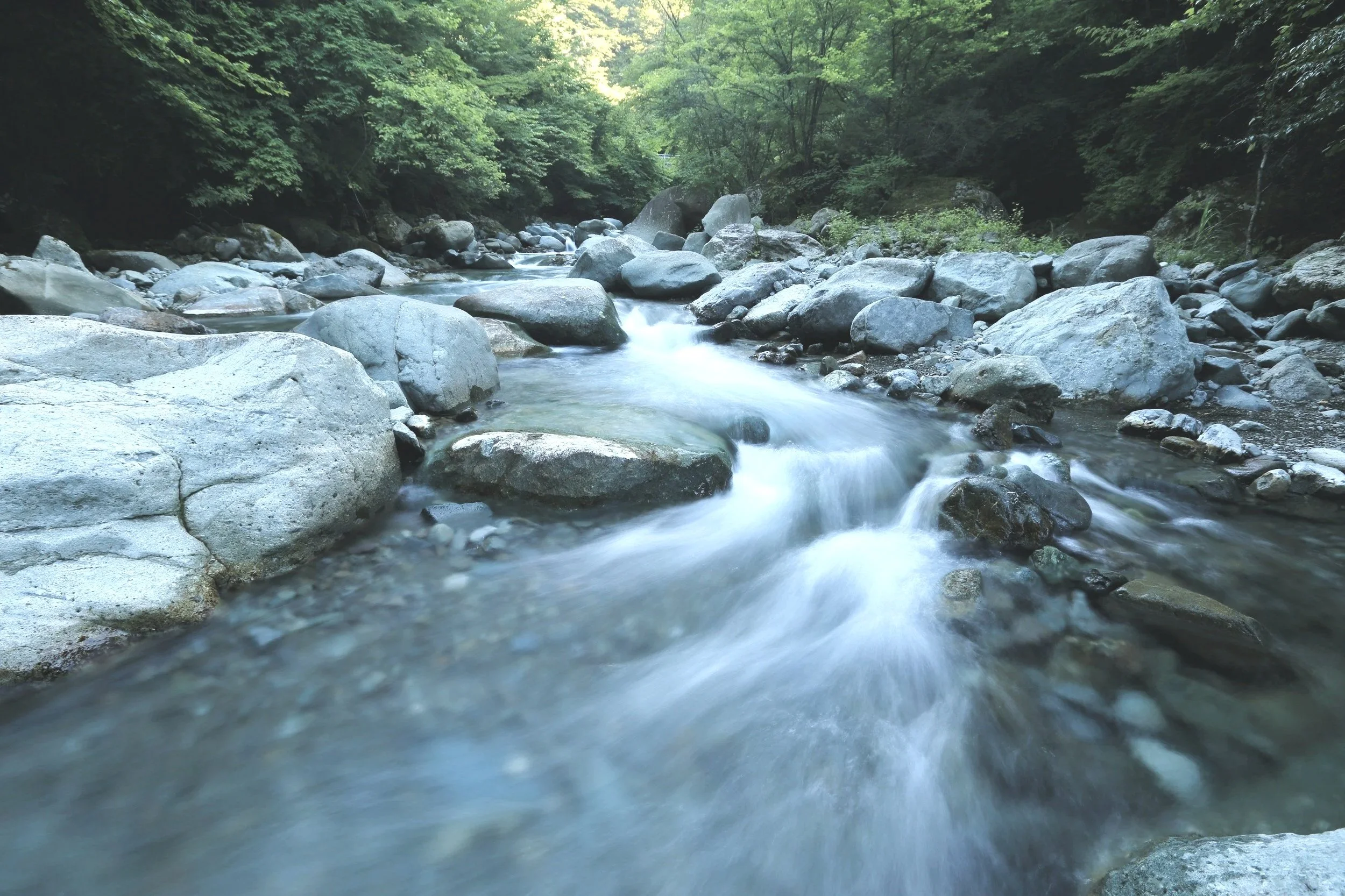

At Western Slope Ecological Restoration Services, we focus on restoring functional hydrology — the kind that…
keeps water on-site longer
increases infiltration and soil moisture
reduces erosive energy and topsoil loss
supports deeper-rooted, diverse plant communities
improves forage reliability for livestock
strengthens habitat for wildlife and pollinators
Restoration is about rebuilding relationships inside living systems—soil biology, hydrology, plant communities, and disturbance cycles. Chemical shortcuts can create hidden costs that show up later.
When unwanted species are present, we prioritize mechanical removal, ecological competition, disturbance timing, grazing strategy, focused revegetation, and process-based repair—methods that build ecosystem stability, complexity, and resilience rather than simplification and chemical dependency.
No Herbicides. No Chemical Dependency.
If you steward land on the Western Slope—and you want it more alive, productive, and resilient—you’re in the right place.
-
You want greener pastures for longer, more reliable on-site water, better forage performance, healthier livestock, and a management plan that reduces risk over time—especially through dry years.
Restoration outcomes we commonly help ranchers & landowners achieve:
Improved forage production + grazing reliability
Better soil water infiltration and holding capacity
Reduced soil erosion and topsoil loss
More resilient vegetation communities over time
-
You want a more complex ecosystem that feels alive again: more birds and pollinators, stronger native plant recovery, and habitat quality you can actually see—not just hope for.
Typical objectives supported through ecological restoration include:
Healthier riparian corridors and wetlands
Increased year-round bird residency and higher seasonal migratory bird activity
More active and diverse pollinator communities, including hummingbirds, bees, butterflies, moths, and other insects
Greater habitat connectivity
-
You don’t need more information—you need a sequence. A plan you can follow, with decisions grounded in evidence and measurable outcomes.
Land stewardship goals we help clients work toward:
Improved soil water infiltration rates
Reduced soil erosion
Reducing bare ground cover
Higher plant and animal biodiversity
Enhanced ground water storage
-
You want practical skills, real examples, and a network of people who take restoration seriously—without making it inaccessible.
Offerings include:
Monthly meet-ups (technical learning + networking + community awareness)
Hands-on workshops (in-field installation training)
Guest lectures by request
Work With Western Slope Ecological Restoration Services
Your land doesn’t need perfection. It needs intact function.
If you’re watching water leave your property too quickly, seeing vegetation simplify, or feeling like the ecosystem is quietly unraveling, there are practical steps you can take now.
You know your land.
My job is to help you get water, soil, and vegetation working toward your stewardship goals—with methods that respect the intelligence of living systems.
Let’s Work Together:
A 20-minute intake discussion focused on understanding your land and management priorities.